
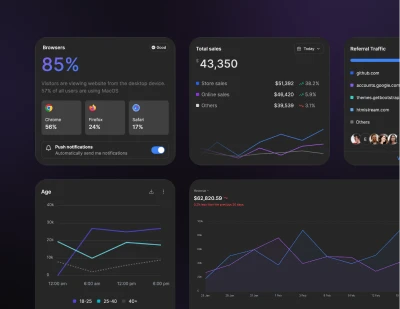
Install Preline UI with Flask using Tailwind CSS
Install Preline UI with Tailwind CSS in Flask projects, including JavaScript plugin setup, template scripts, app styles, and optional dependencies.
Prerequisites
This guide assumes you already have a Flask project with Tailwind CSS configured. If you haven't set up Tailwind CSS yet, check out the Tailwind CSS installation guides first.
Please note that this guide has been tested with Flask 3.1.3. Flask has no official project-scaffolding CLI, so the project was set up by following Flask's own quickstart directly: pip install flask, with a minimal app.py defining Flask(__name__) and a single route.
If you are using your own project structure, a third-party starter template, or a different Flask version, pay attention to the file paths and features of your version!
Flask quick setup
Start with a Flask app that already has Tailwind CSS configured, then add Preline UI to your static assets and base template.
-
Install Preline UI
Install
prelinewith your preferred package manager in your Flask project directory.Terminalnpm install prelinePreline UI uses the Tailwind CSS Forms plugin across form components. Install it if you have not already:
npm install -D @tailwindcss/forms -
Import Preline CSS variants
Import
variants.cssintostatic/css/input.cssafter thetailwindcssimport, then copy the default theme into your project so a futurenpm updatedoes not silently change it.Terminalmkdir -p static/css/themes cp node_modules/preline/theme.css static/css/themes/theme.cssstatic/css/input.css@import "tailwindcss"; @import "../../node_modules/preline/variants.css"; @source "../../node_modules/preline/dist/*.js"; /* Optional Preline UI Datepicker Plugin */ /* @import "../../node_modules/preline/datepicker-styles-utility.css"; */ /* Plugins */ /* @plugin "@tailwindcss/forms"; */ /* Preline Themes */ @import "./themes/theme.css"; /* Optional Preline UI Datatable Plugin: DataTables.net renders its own search/length/paging controls alongside Preline's own; hide the native ones since they can't be disabled through DataTables options alone. */ /* .dt-layout-row:has(.dt-search), .dt-layout-row:has(.dt-length), .dt-layout-row:has(.dt-paging) { display: none !important; } */Don't modify
static/css/themes/theme.cssdirectly. To customize colors, duplicate it (for examplemy-theme.css) and import your copy after the base theme. See the Theme docs for premade themes and customization. -
Load Preline UI in Flask templates
Copy the Preline JavaScript file into your static directory, then include it in your base Flask template.
Terminalcp node_modules/preline/dist/preline.js static/js/templates/base.html
Optional Preline UI styles
Preline UI ships with a small set of opinionated base styles. If you want them in your project, add them to your CSS file. These defaults used to come bundled with Tailwind CSS v3, so they are still available as an optional layer in Preline UI.
                          /* Adds pointer cursor to buttons */
                          @layer base {
                            button:not(:disabled),
                            [role="button"]:not(:disabled) {
                              cursor: pointer;
                            }
                          }

                          /* Defaults hover styles on all devices */
                          @custom-variant hover (&:hover);
Specific guide
Continue with a focused guide for wiring Preline UI JavaScript plugins into this framework.