01 / Slate
A quiet, natural texture.
For an existing slate roof, the conversation starts with its proportions, tone, and the condition of the surrounding covering.
Consider / Size, source, and a sympathetic match.
Ridge & Rain / Roofs, carefully considered
Survey / Repair / Renewal
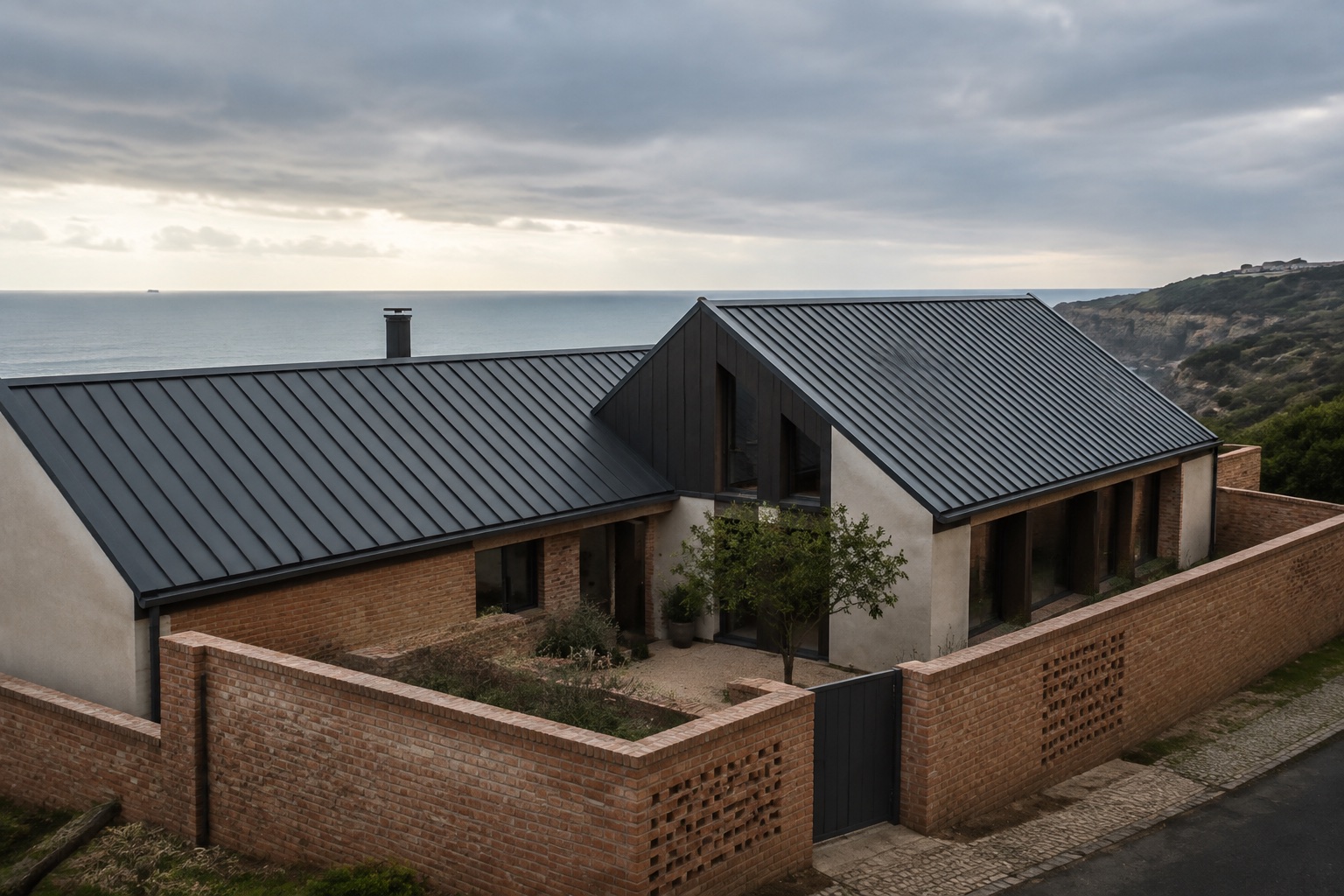
A considered plan for the roof above you
From one concern to a planned renewal, we start with the existing roof and explain the work it needs us to consider.
Begin with a scope checkA connected set of details
A roof concern may involve the covering, its edges, a junction, or the way rainwater leaves it. We agree the areas to inspect and record what falls outside the visit.
Illustrative roof outline / Not a construction drawing
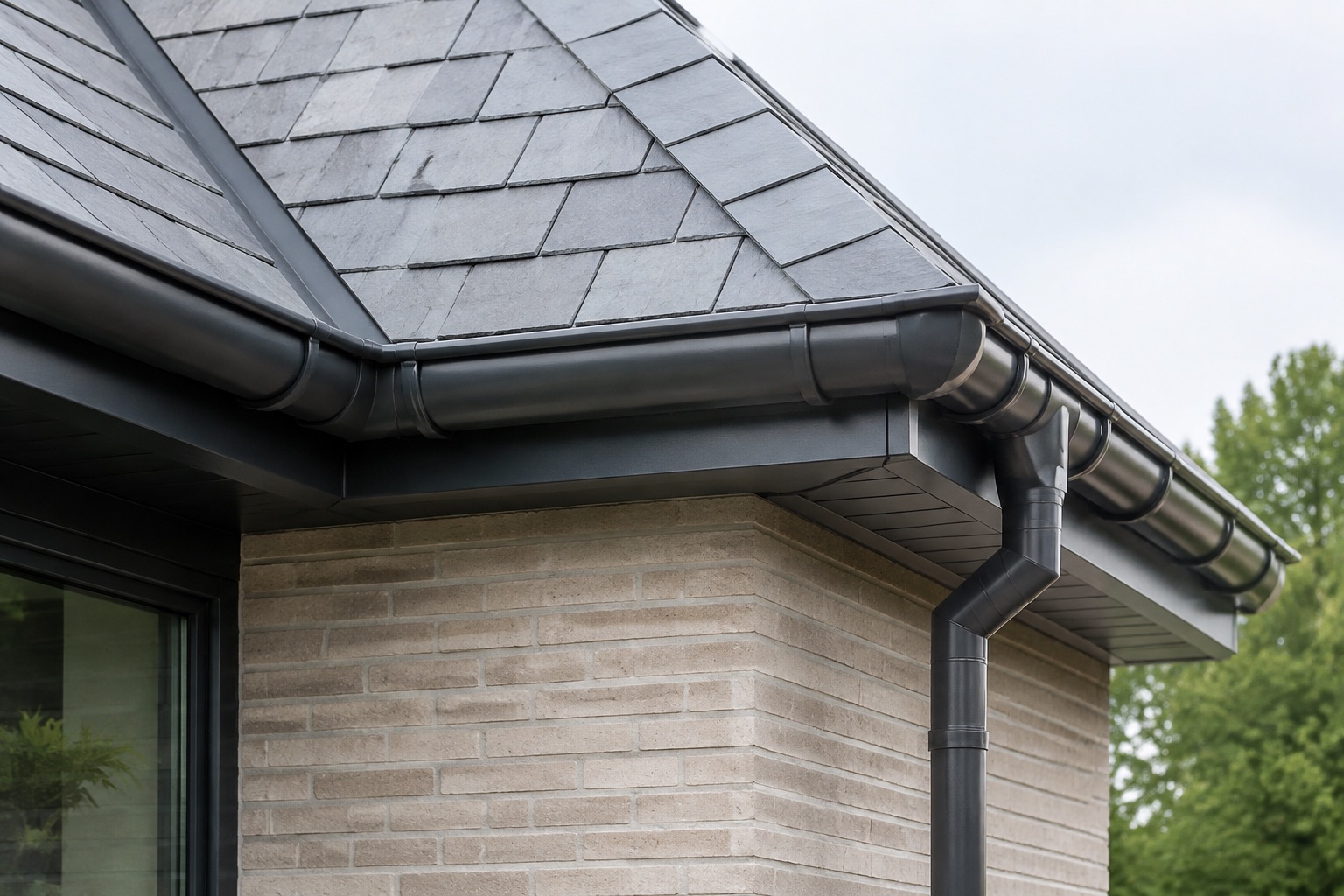
Roof coverings, junctions, and drainage work as one system. The survey looks at how those details meet.
The material, condition, and transitions.
How water leaves the roof.
The details around changes in the surface.
Material, character, context
Start with what is there. We discuss the profile, colour, and detailing alongside the practical requirements of the roof.
01 / Slate
For an existing slate roof, the conversation starts with its proportions, tone, and the condition of the surrounding covering.
Consider / Size, source, and a sympathetic match.
02 / Tile
Clay and concrete tiles bring different shapes and finishes. We look at the existing pattern and how a proposed replacement meets it.
Consider / Profile, colour, and compatible fittings.
03 / Metal
Metal coverings and formed details call for a coordinated approach to the finish, junctions, and the way water is directed away.
Consider / Finish, seam layout, and edge details.
A material choice follows the survey and specification, including the roof pitch, supporting structure, and any property-specific requirements.
Discuss your roof coveringThe survey, made readable
We keep observations separate from recommendations. A clear scope also records the areas that could not be assessed.
Record what is visible and any limits to access.
Agree the scope, materials, and exclusions.
Confirm access, setup, and the weather window.
Review the completed work and relevant records.
Storage area
Entrance
Access route
An illustrative site plan. Actual arrangements follow the property and the agreed work.
A local concern, understood in the context of the surrounding roof.
A wider conversation about condition, compatibility, and future work.
Roof work is planned around suitable conditions and the access arrangements for the site. A proposed date is discussed in that context, with a named contact for any changes.
Tell us about dates that matter to the property, other contractors, and the best way to reach you. We explain how updates will be communicated before the programme is confirmed.
For the initial brief, describe what you have already observed. There is no need to go onto the roof or inspect at height.
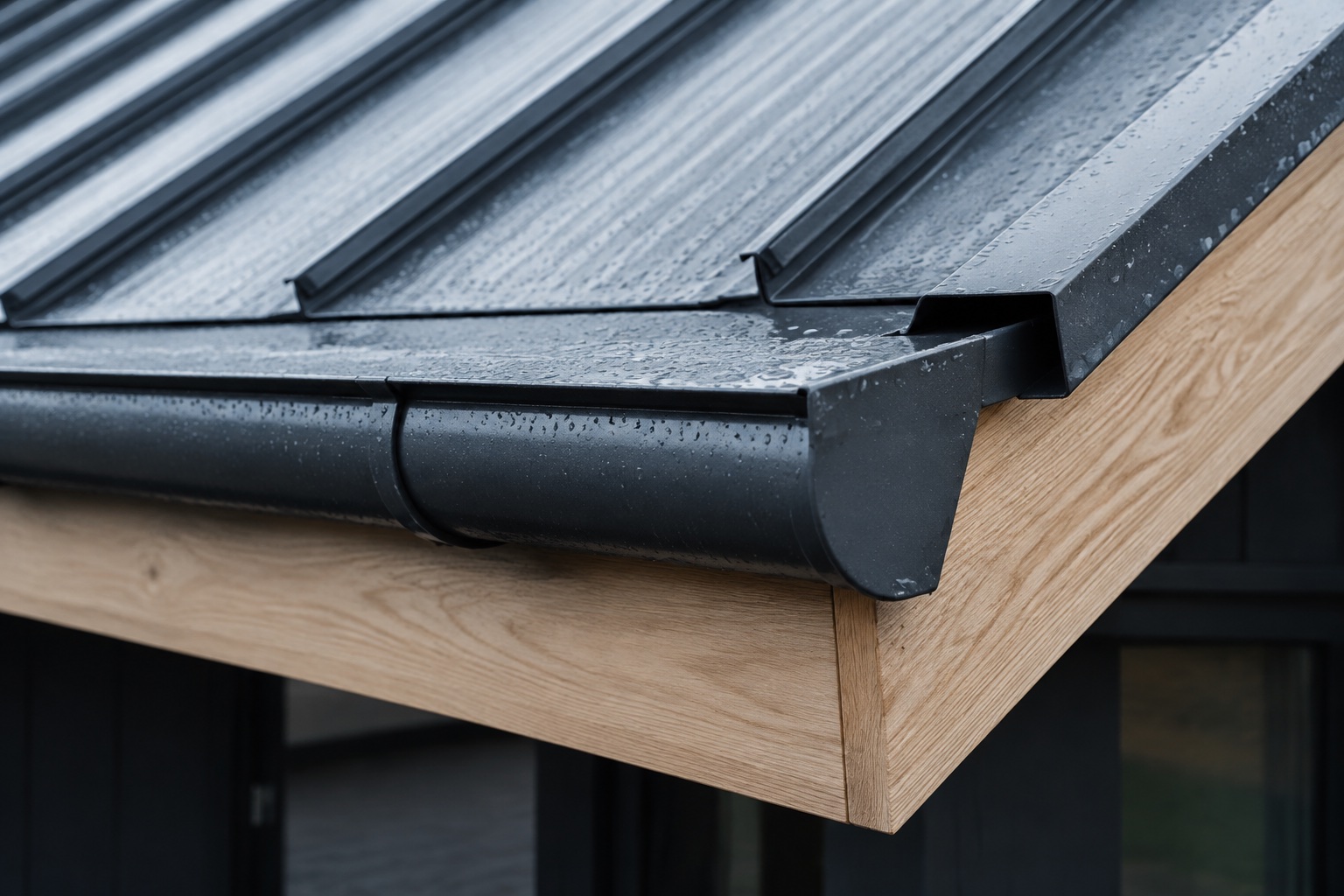
After the work
The handover is a useful starting point for looking after the roof. Keep the details together, so a future conversation can begin with what is already known.
Before we begin / A homeowner's field notes
You do not need a technical brief to start. Here are a few useful answers before the first conversation.
01The starting point
No. Tell us what you have noticed and when it happens. Choose "Not sure yet" in the scope check if you cannot identify the area. The survey is where the visible condition and any further investigation are discussed.
02The survey visit
Any existing photographs, notes about earlier repairs, and details of access or shared boundaries are helpful. Use information you already have; there is no need to climb onto the roof to prepare for the visit.
03Repair or renewal
No. A defined repair, further investigation, or a wider renewal may be worth discussing depending on the findings. The proposal explains the reasoning, the limitations, and the areas included before a scope is agreed.
04Material matching
We can discuss the closest suitable options once the existing material is identified. Profile, size, availability, and weathering all affect the result, so an exact visual match should not be assumed.
05The written scope
The work areas, proposed materials, access arrangements, exclusions, and the basis of the price should be clear. Timing, how changes are agreed, and the handover information are also part of the conversation.
A note about your roof
Tell us what you have noticed. We can begin with the information you have and work out what needs a closer look.
Start with your questionBegin with the information you have
Scope request / Local preview
Nothing has been sent and no survey or roofing work is booked.