Possible rodent activity
Sounds in a roof space, marks around storage, or repeated sightings outside. Tell us the location and the pattern you have noticed.
Fieldguard / Property pest care
Good care begins with a closer look.

A considered approach to pest care
Something out of place at home or work? We look at the signs, understand your property, and talk you through what comes next.
Plan an inspectionYou do not have to identify it
A sound, a sighting, or a recurring sign can be enough to start a conversation. Share what you already know; the inspection fills in the picture.
Describe your concernSounds in a roof space, marks around storage, or repeated sightings outside. Tell us the location and the pattern you have noticed.
A recurring trail, insects around stored items, or activity in a particular room. The location helps shape where we look.
Repeated activity around an opening, outbuilding, or garden area. Describe what you have already seen without approaching or disturbing it.
An unfamiliar sign is enough to begin. You do not need a pest name or a confident identification to ask for an inspection.
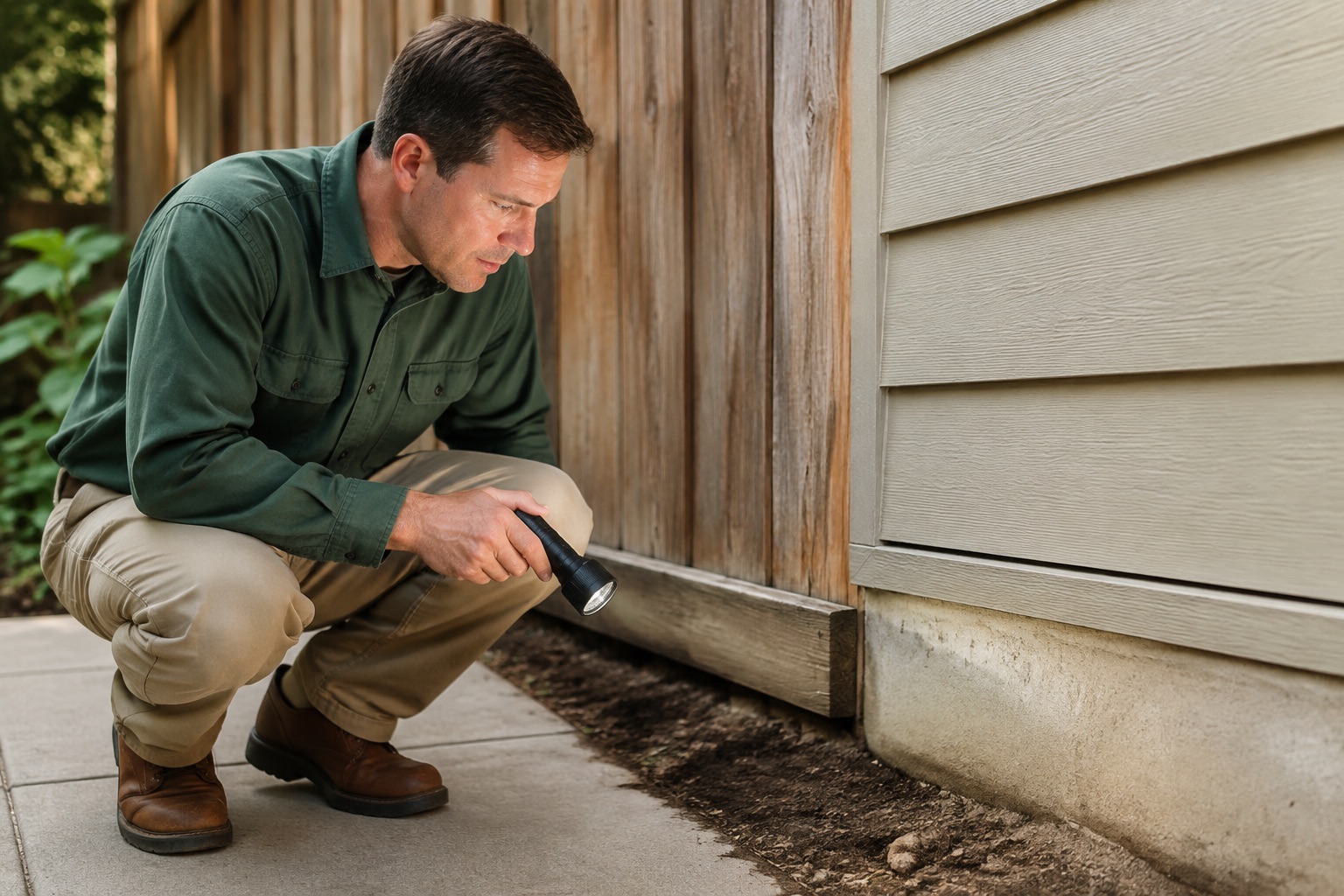
The rooms, storage areas, and signs you have noticed.
Accessible boundaries, openings, and nearby conditions.
Previous records, recent changes, and patterns of activity.
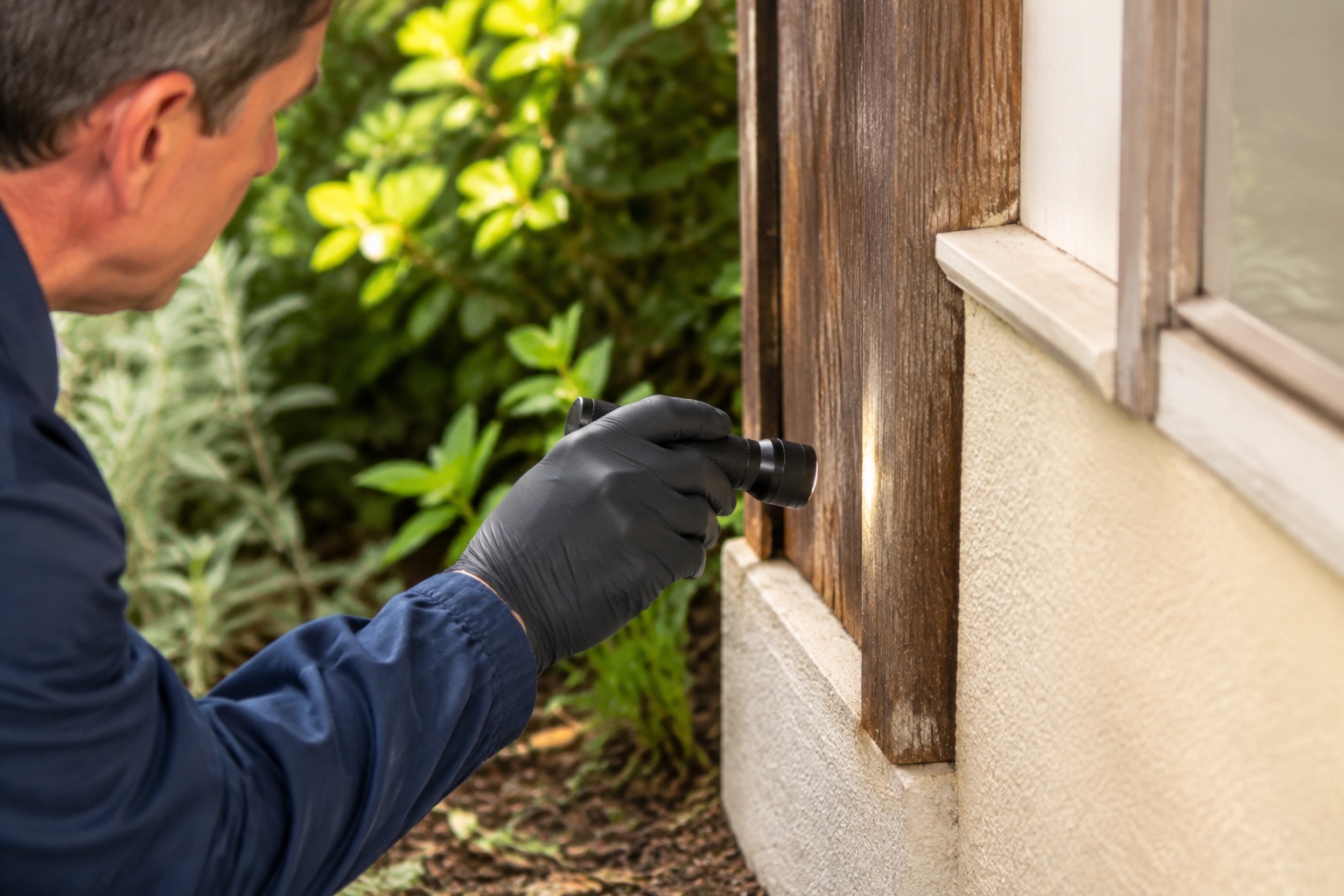
An explained approach
An inspection starts with what you have noticed, the places involved, and the way the property is used. Identification is part of the professional assessment; a description alone does not decide the service.
Help us understand who uses the space before the visit is arranged.
Tell us who shares the affected areas so the team can discuss relevant arrangements.
Share earlier reports, treatments, or maintenance records.
Agree entry, shared areas, and the contact who can authorize the visit.
Every property has its own context
The same concern can call for a different conversation at home, in a shared building, or at work. Access, routines, and responsibilities help shape the visit.
01 / Household
A visit shaped around the people who live there, their routines, and the signs observed.
02 / Shared property
A clear scope across private and communal areas, with the right people involved from the start.
03 / Business
An inspection planned around the operating day and the way the space is used.
Look beyond the immediate concern
Food, water, shelter, and access all shape a property's appeal to pests. A useful plan looks at these conditions alongside any work that may be needed.
Small changes, specific to your space.
The inspection helps separate everyday upkeep from repairs or specialist work, so you know where to begin.
01 / Food & waste
Keep stored food in sealed containers, clear spills, and empty waste regularly. Include pet food and overlooked storage areas in the routine.
02 / Water & moisture
Leaking pipes and standing water deserve attention. Flag recurring damp or drainage issues when discussing the property.
03 / Gaps & openings
Door gaps, damaged screens, and openings around services can become access points. Ask which repairs are appropriate and when to make them.
04 / Storage & shelter
Reduce unnecessary clutter and keep storage areas accessible. It is easier to spot a change when corners and edges stay visible.
An inspection record should make the next conversation easier. Each note has a clear purpose.
FIELDGUARD / RECORD OUTLINE
Areas inspected and the evidence recorded.
Access limitations and areas not inspected.
Proposed work, open questions, and any agreed review.
After the first visit
The first visit gives us a starting point. Where follow-up is needed, agree what to watch, when to review it, and how the findings will shape the next step.
01 / AGREE
Confirm whether another visit is recommended, what it covers, and any separate cost. Timing follows the findings and the proposed work.
02 / OBSERVE
Note the date, location, and any change in activity you happen to notice. Follow the visit instructions and leave monitoring equipment in place.
03 / REVIEW
Compare observations with the original record. The review may support continued monitoring, a change to the plan, or further investigation.
Something changed before the review?
Use the contact details in your visit record.
The other side of the visit
A careful inspection should leave you with more than a report. It should make the situation easier to understand and the next conversation easier to have.

Visit perspective / 01
James W.
Home & garden
“I did not know what the sounds meant. Having someone explain what they could see, what still needed checking, and what to do next made the whole thing feel manageable.”

Visit perspective / 02
Maya R.
Shared building
“The notes made it easy to speak with our building manager. We knew which areas had been checked and where access would be needed for the next visit.”

Visit perspective / 03
Oliver T.
Working premises
“There was time for questions, and the proposed work was explained in plain language. I came away knowing what was included and what we needed to arrange ourselves.”
Illustrative testimonials for this demo. Names and stories are sample content; portraits are stock photography.
Before you arrange a visit
Put the starting point on paper
Preview only. Nothing has been sent and no inspection is booked.